
Senior-level work from the team you already have.
At BPD, we provide creative coaching and visual direction for marketing teams and agencies.

Talent is rarely the gap. Direction is.
Many organizations carry real creative talent at the junior and intermediate level. What they rarely carry is a senior creative to develop it. Without one, the same patterns tend to appear.
Revision rounds that keep going.
Work comes back again and again because no one shaped it early.
The manager becomes the art director.
Hours go into giving creative feedback that should come from a creative lead.
The brand starts to drift.
Each project is fine on its own. Side by side, they stop looking like one organization.
Good designers plateau.
Without someone to learn from, growth slows, and the best people start looking elsewhere.
Rather than hiring a creative director, get the function of one.
Coaching sessions with your designers, worked through the projects they already own. Creative review while the work is still moving, early enough to change the outcome. The work gets better now. The team gets better for good. You save valuable time and money.
How it works

Start the conversation
Send a short enquiry. Ben replies personally to set up a call about your team and the work ahead.

Review the team and the work
Ben meets your designers, looks at current projects and agrees on priorities with you.

Coaching and review begin
Multiple sessions on live projects, plus review of work in progress before it reaches a client or executive.

Critique language, review steps and creative benchmarks your team keeps using long after the engagement.
Standards that stay.
What your team gets
-
Scheduled time with your designers, one-on-one or as a group, built around the projects already on their desks. Every lesson is tied to real work with a real deadline, so it gets used the same day. Sessions adjust as your team grows and the work changes.
-
Ben reviews projects while they are still moving, at the concept stage rather than the night before delivery. Direction given early is direction that can still shape the outcome. That means fewer revision rounds and less rework once a client or executive sees it.
-
Typography, layout, hierarchy, colour and concept, taught through the work in front of your designers. The focus is on why a decision works, not just how to execute it. Over time, your team starts catching its own weak spots before anyone else does.
-
Designers learn to explain the thinking behind a direction and hold their ground when feedback pulls it off course. The result is shorter approval meetings and more confidence in the room.
-
Your team learns how to give each other clear, useful feedback, with a simple review process and creative benchmarks to measure work against. These are built to keep working long after the engagement ends. The standard stays in-house, even as people come and go.
-
Creative questions rarely wait for the next scheduled meeting. When a direction needs a quick gut check or a deadline is closing in, your team can reach out. Small calls get made right, without waiting a week.
This isn't production support or a course. The work stays with your team. What changes is the direction, the standard and what your team can accomplish.
Built for two kinds of teams
+ One to five designers, and no creative director above them
+ Better work with fewer revision rounds
+ Your own time back from art-directing
+ Designers who keep growing, and stay
For in-house marketing teams
+ Senior quality control on everything that leaves the studio
+ Your time back for clients and growth
+ Delivered under your banner. The client and the credit stay yours.
+ Confidential by default
For agencies
“Ben doesn’t just tell me what to change. He explains why, using the projects I’m actually working on. I now go into reviews knowing how to explain my thinking, and I can see my work getting better every month.”
A national campaign, built so a team could run with it
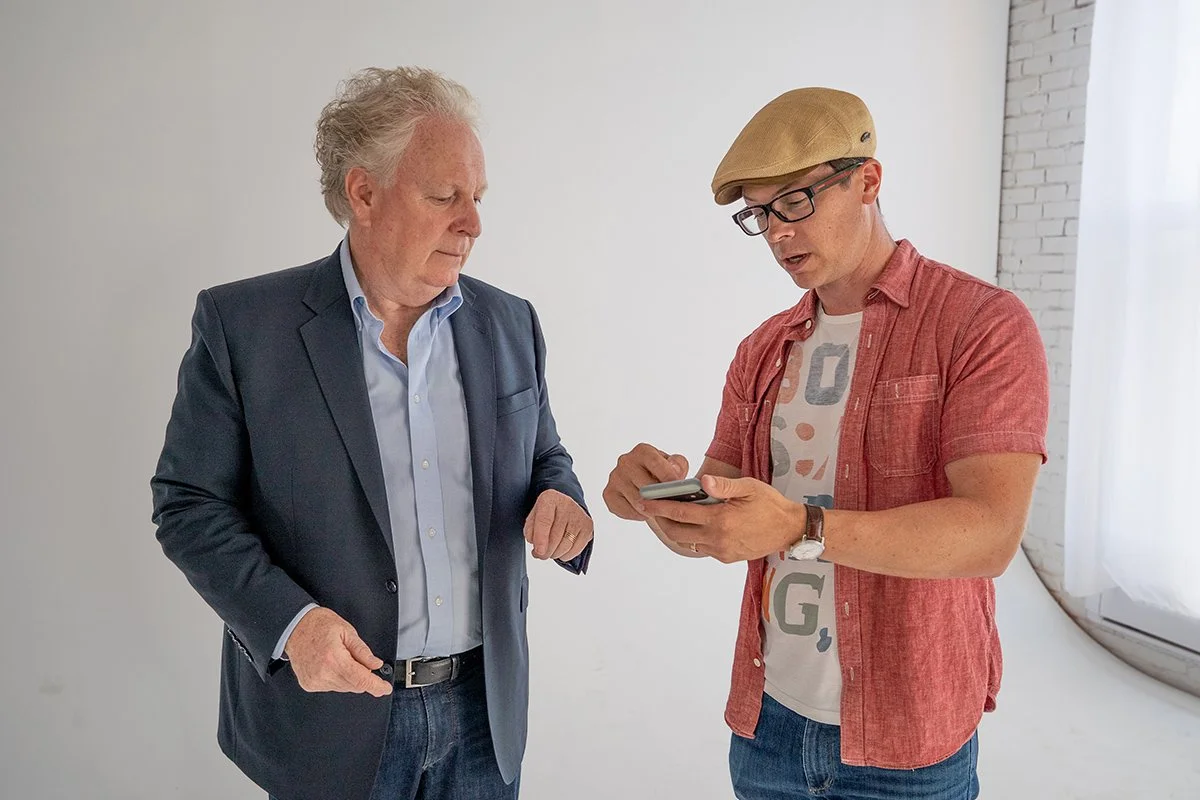
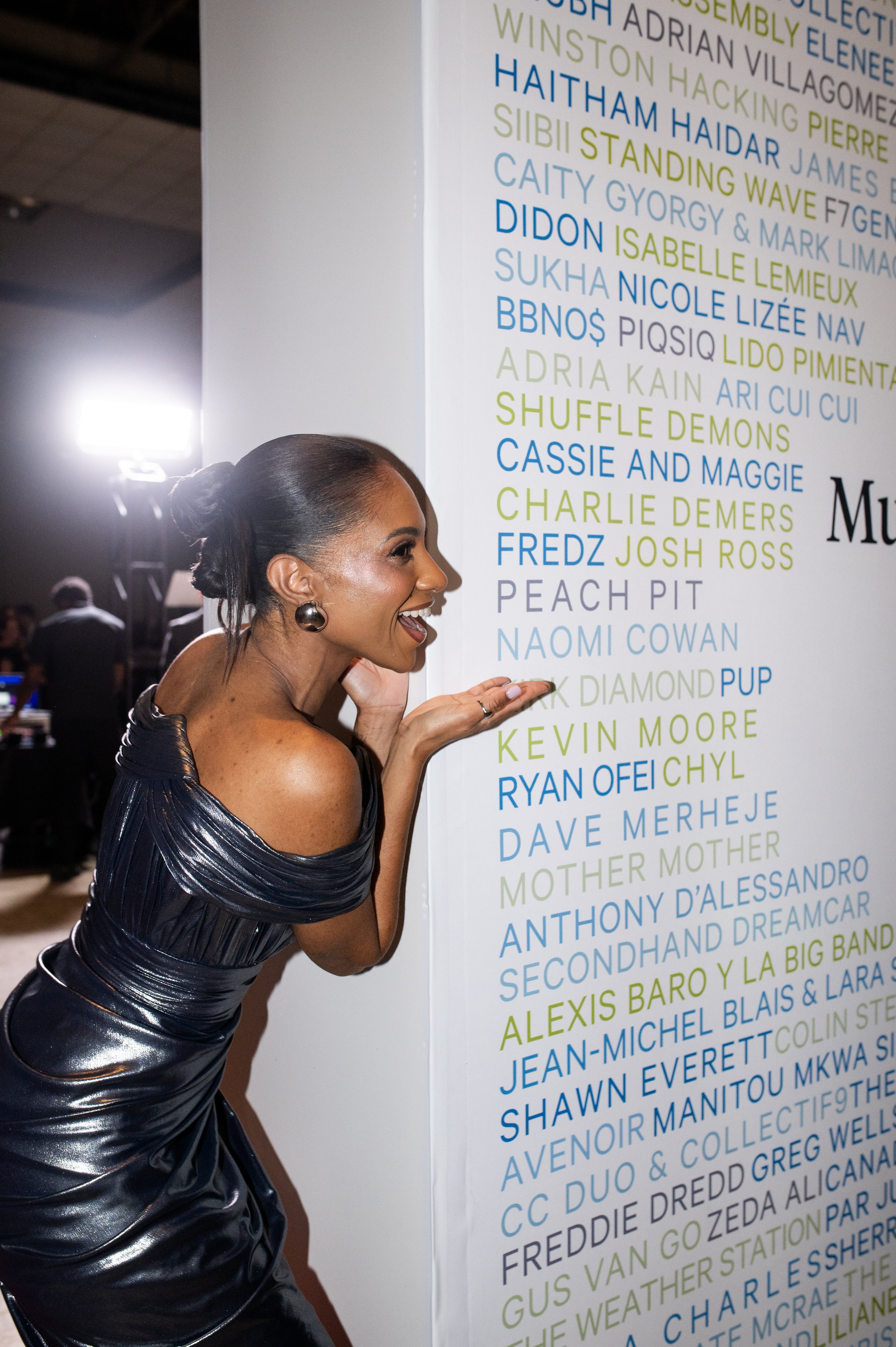
The Challenge: Jean Charest needed a brand that projected leadership and held together everywhere it appeared, from print and the website to social media and video.
How Ben was involved: the brand, the website, social media, print and video, all working as one system.
The outcome: hundreds of templates and assets were created and utilized, earning four international creative awards.
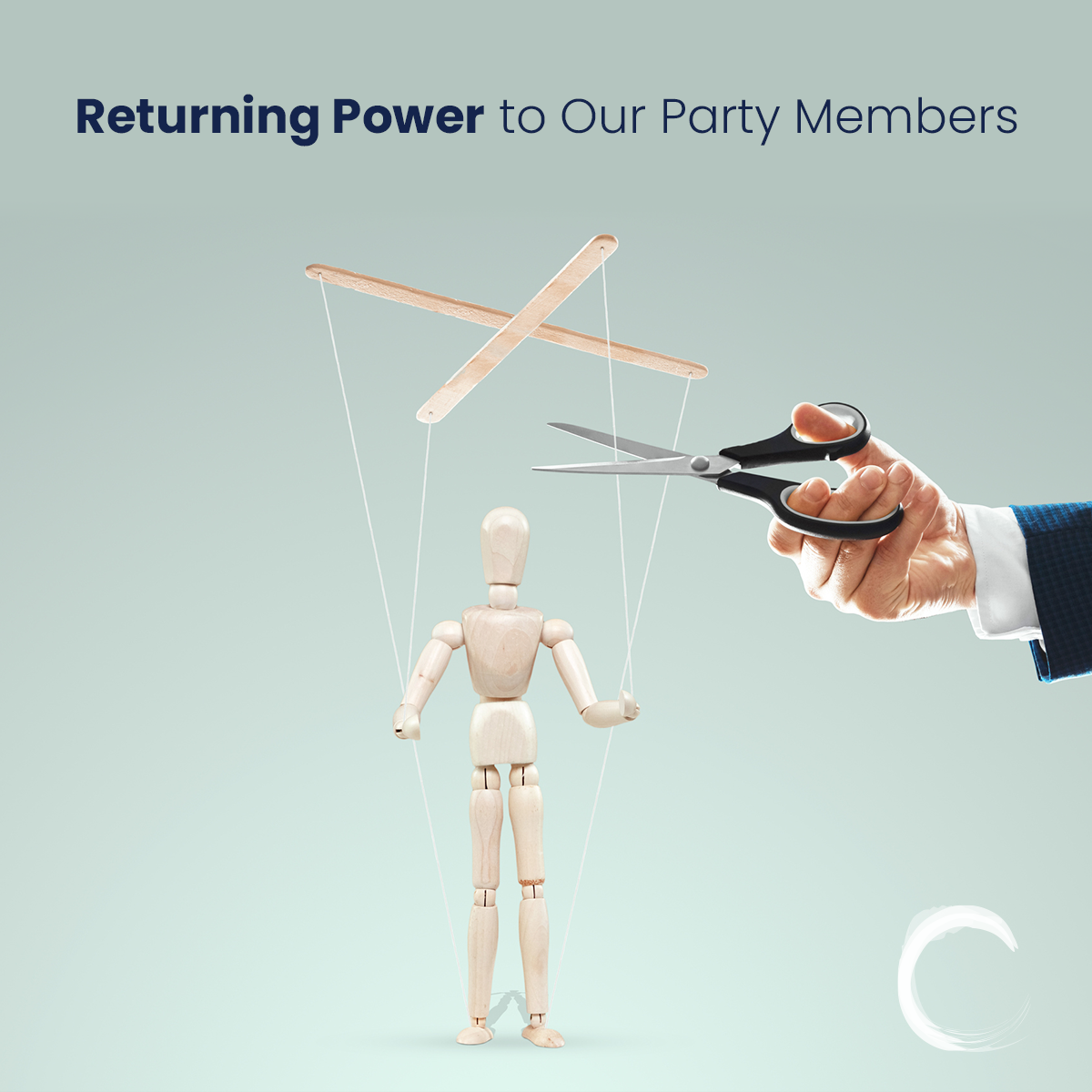
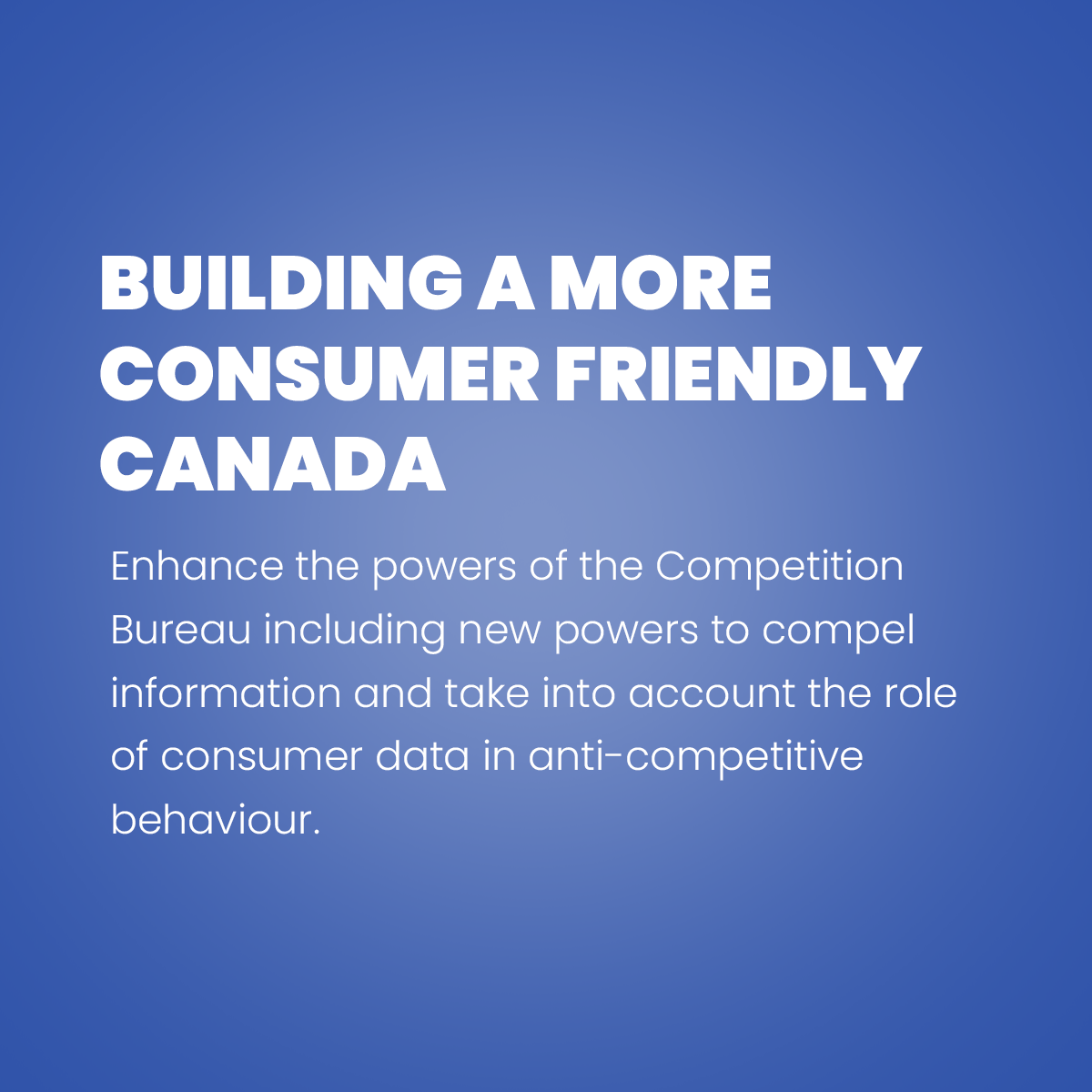


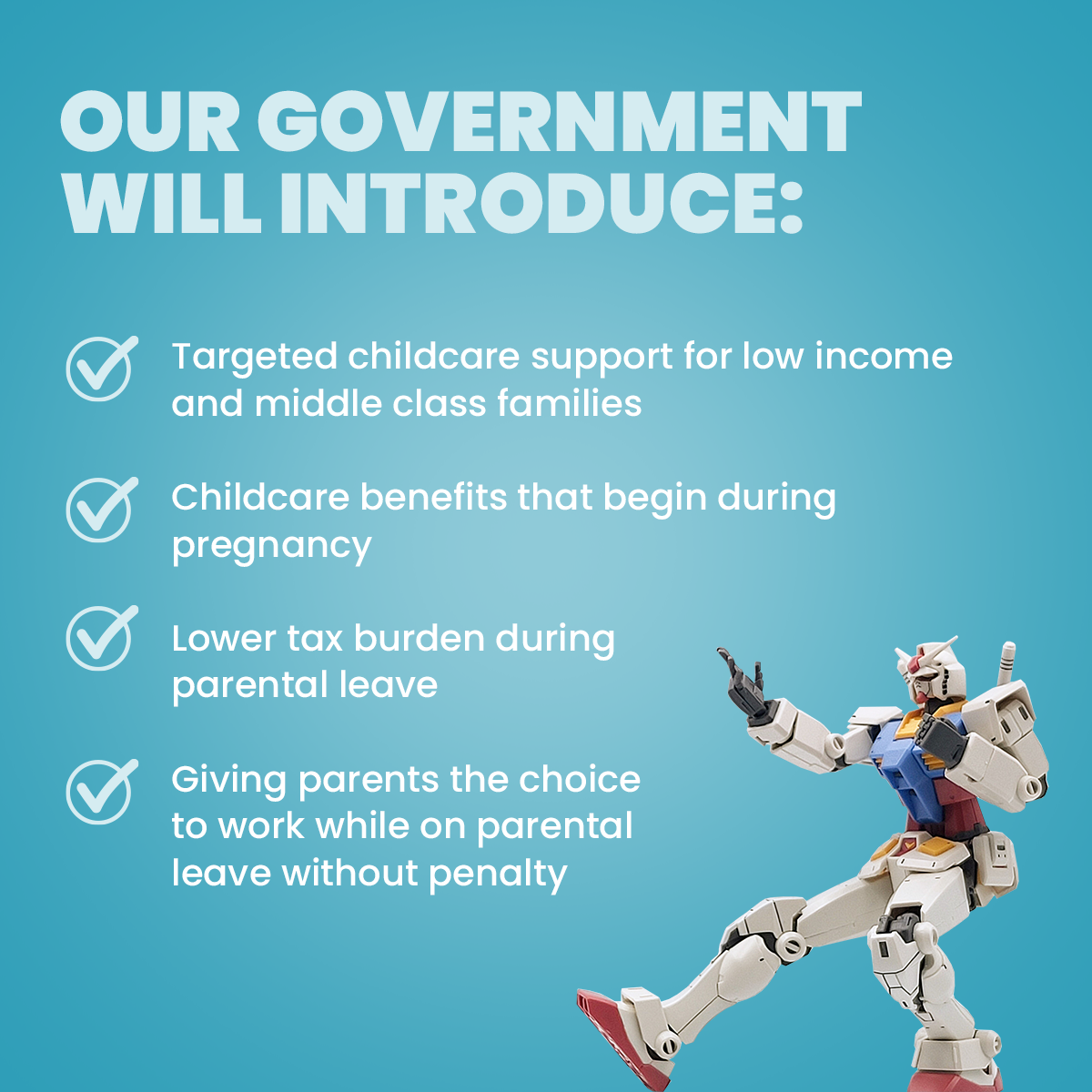
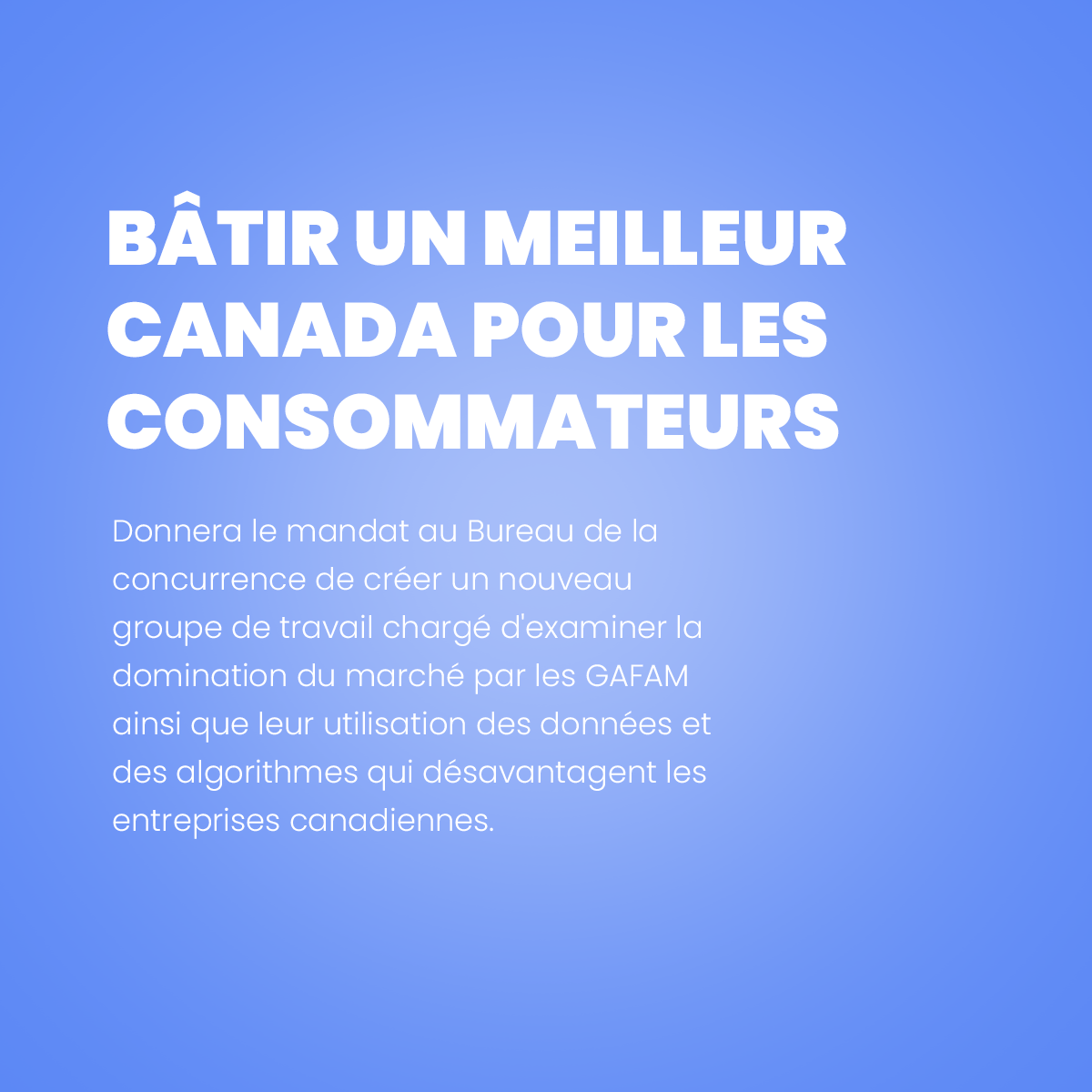

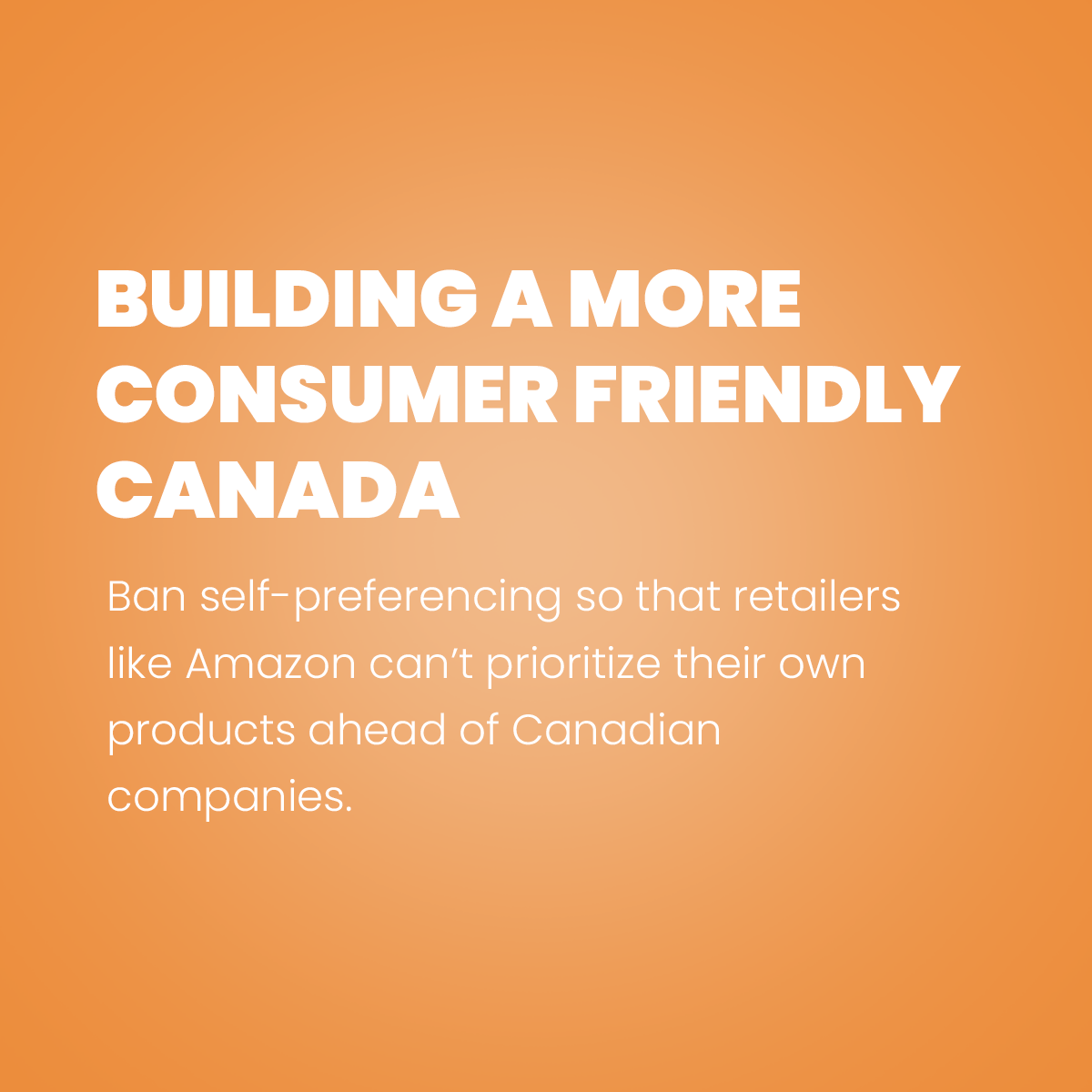


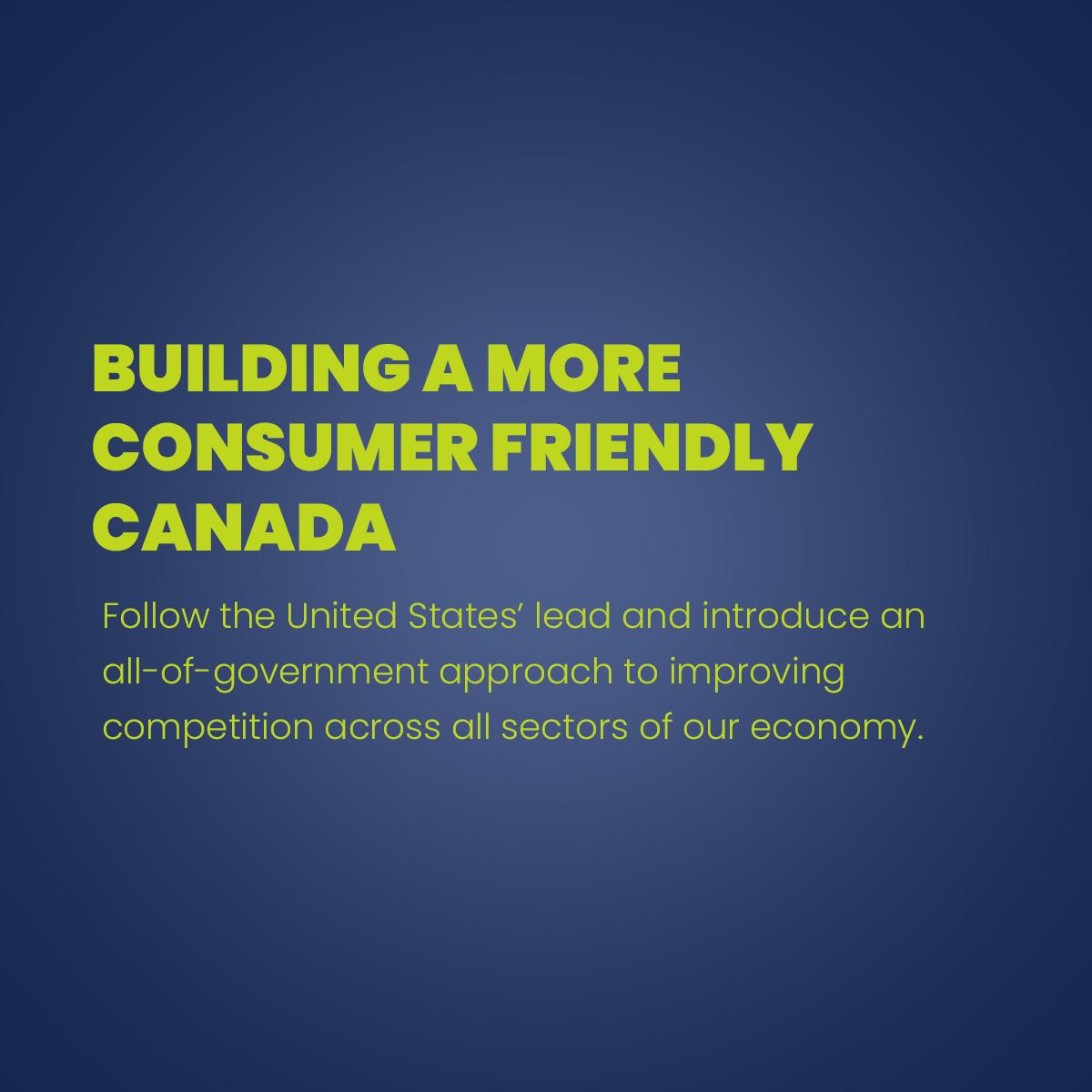

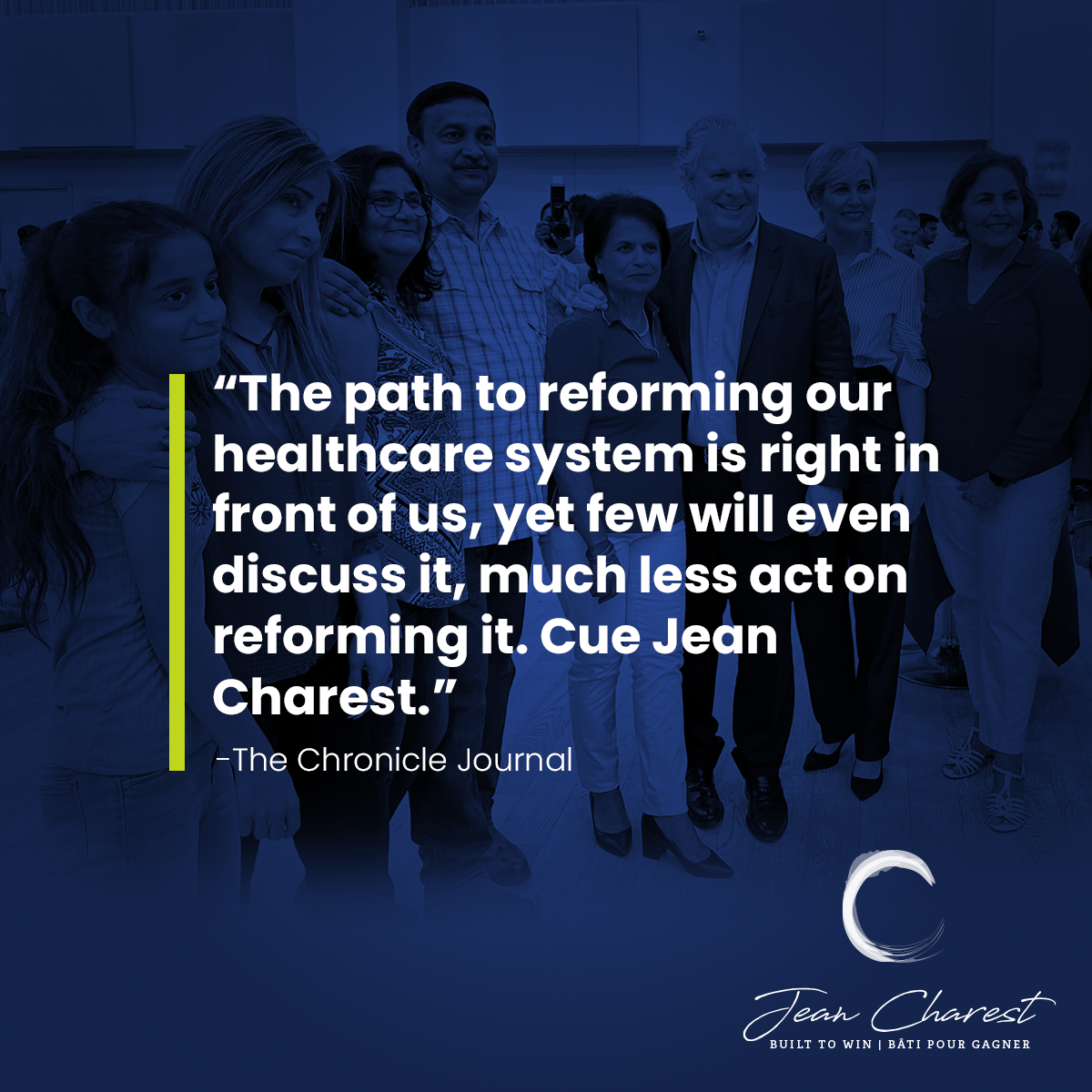

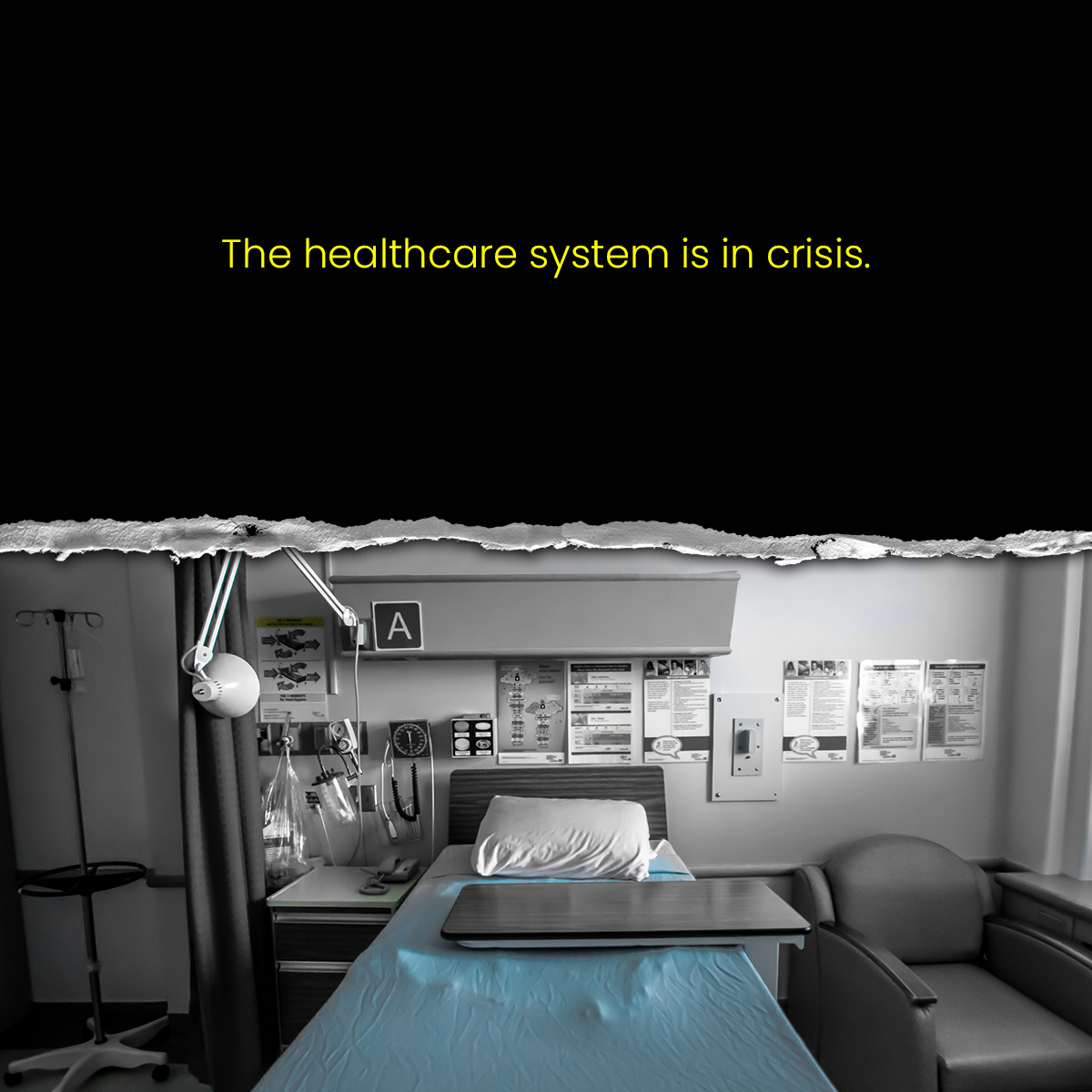
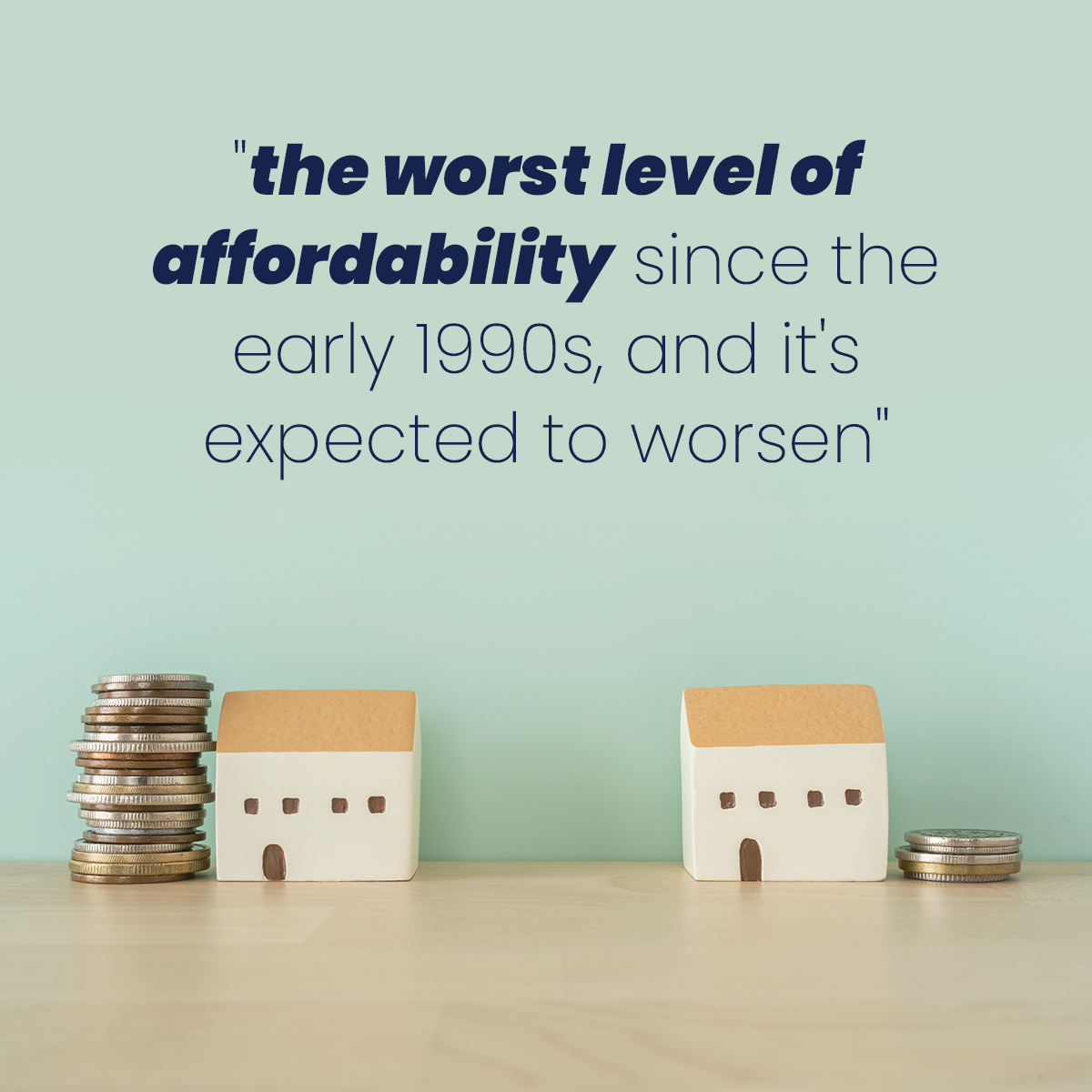
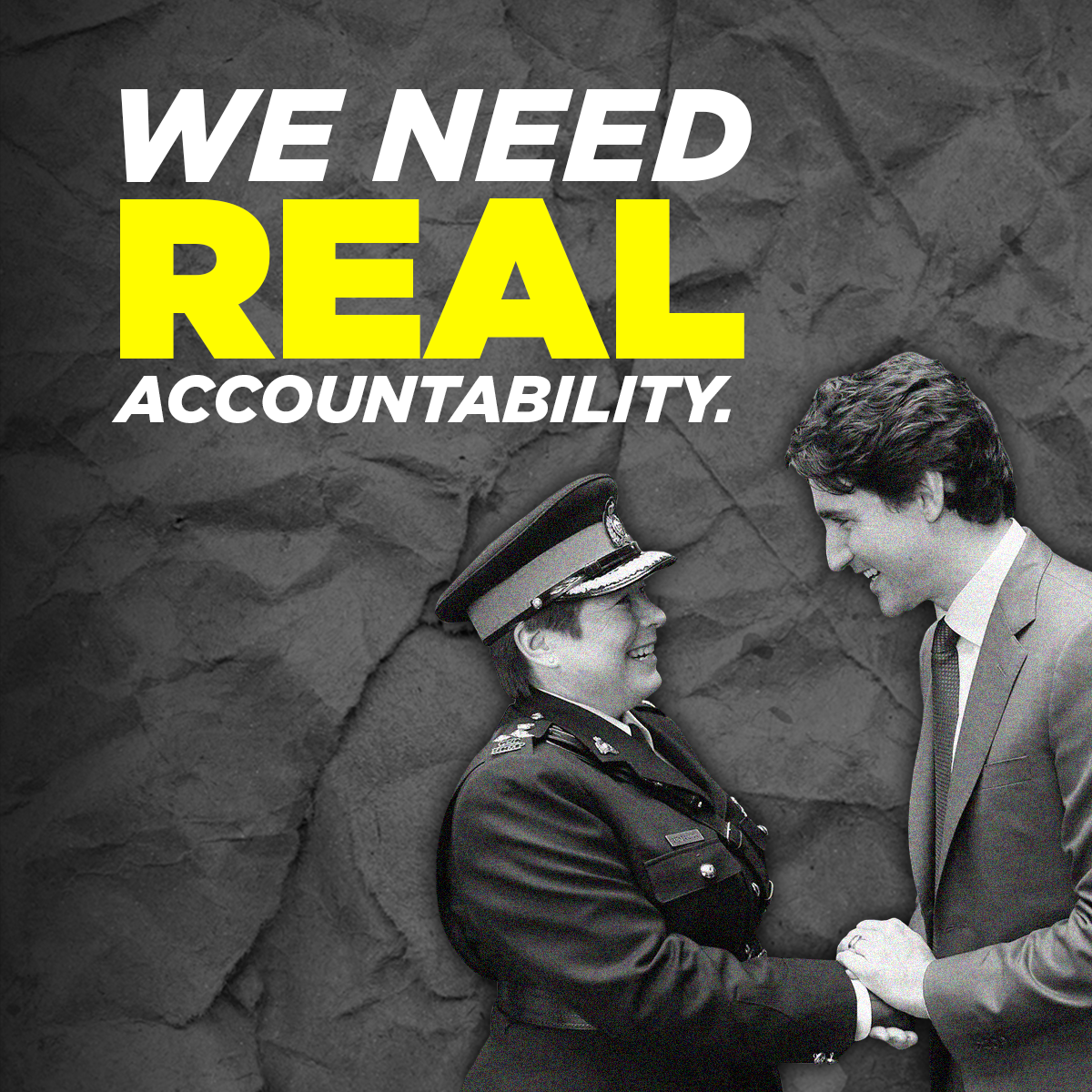
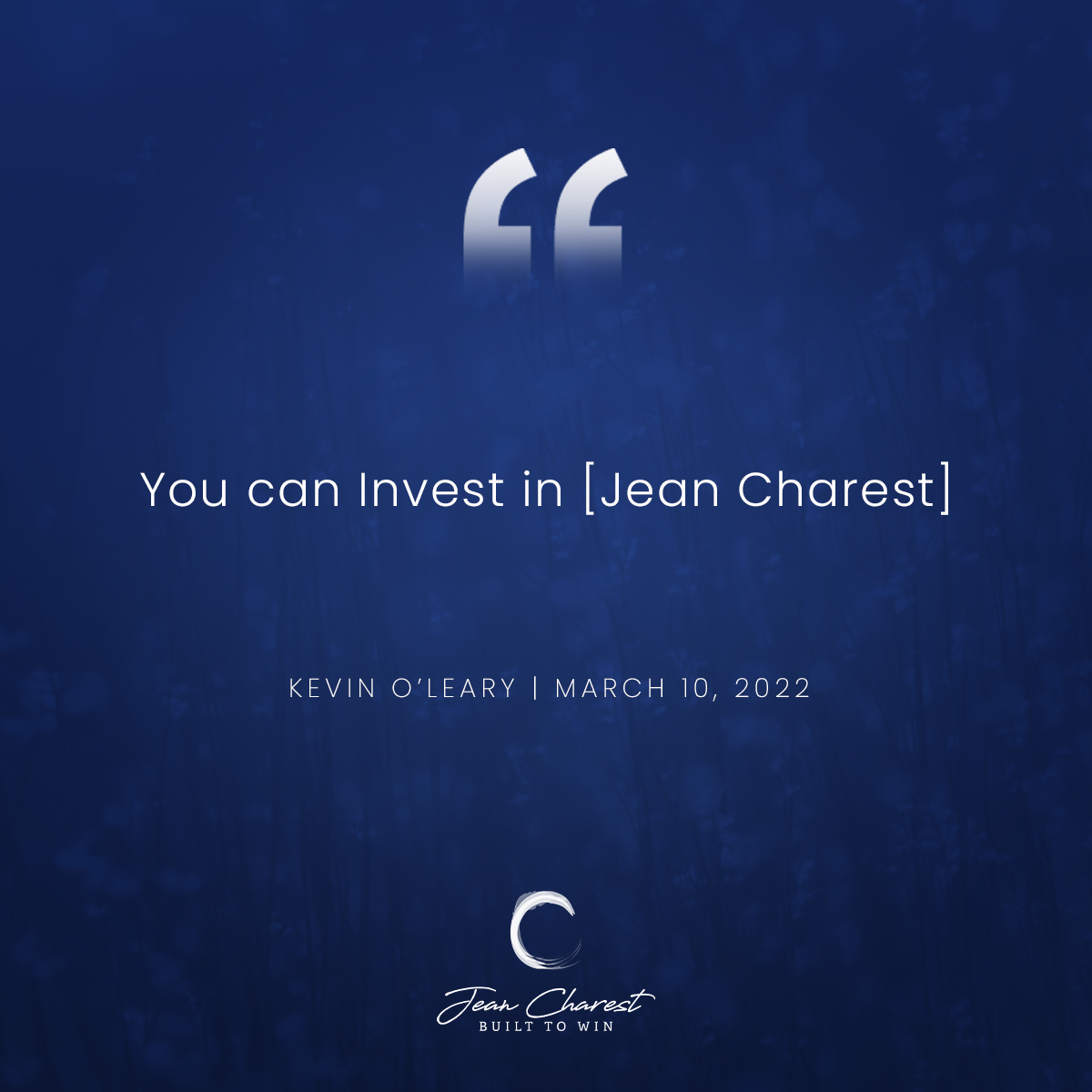
That is the same thing coaching builds inside your team: a clear standard and the system to produce from it.
Meet your coach
Good designers become great when someone takes the time to show them why.
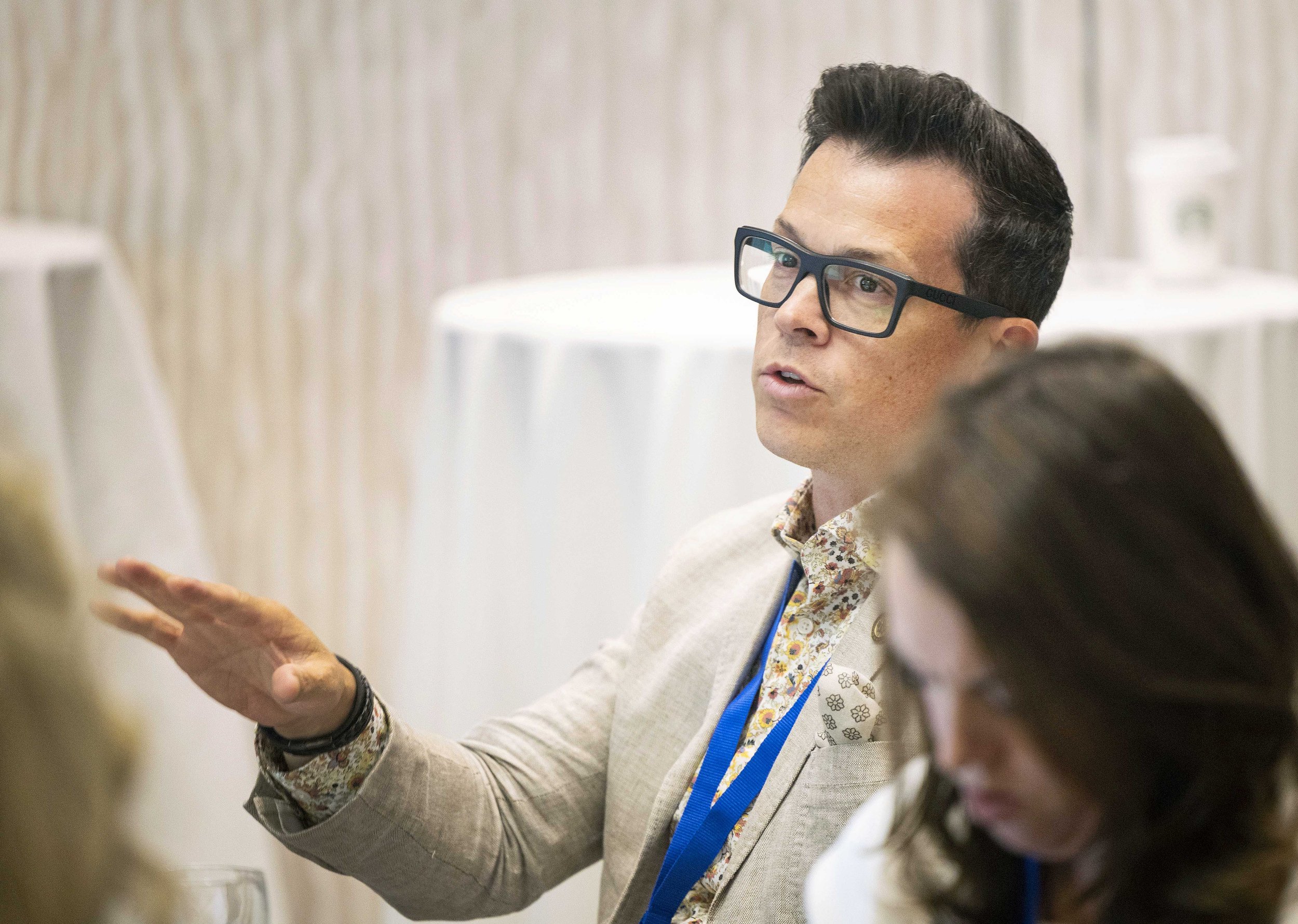
Ben Purkiss has spent nearly two decades in creative direction, graphic design and strategic visual communications. Today, a growing part of that work is teaching: sitting with junior and intermediate designers, working through their projects with them, and helping them make stronger decisions they can explain and defend.
His approach is simple. Coaching happens on real work. The reasoning is explained rather than handed down. And the goal is a designer who needs him less over time, not more.
Your designers learn to the same standard Ben brings to national brands and government clients. Your organization gets work held to that standard from the first session, and a team that keeps reaching it long after.
How Ben works
Coaching happens on the projects your team actually cares about. Real deadlines are what make a lesson stick.
Development through live work.
Software skills are everywhere. Knowing why one solution beats another, and explaining it, is what makes a designer senior.
Judgement before technique.
The strongest decisions are made early. Reviewing at the concept stage protects both the outcome and the time spent getting there.
Direction before production.
Capability that outlasts the engagement.
The goal is not dependency. Every session and standard is meant to stay useful after the engagement ends.
Behind the scenes.
For agencies, the work is delivered under your banner. The client relationship and the credit remain yours.
Senior creative leadership for a fraction of a senior salary
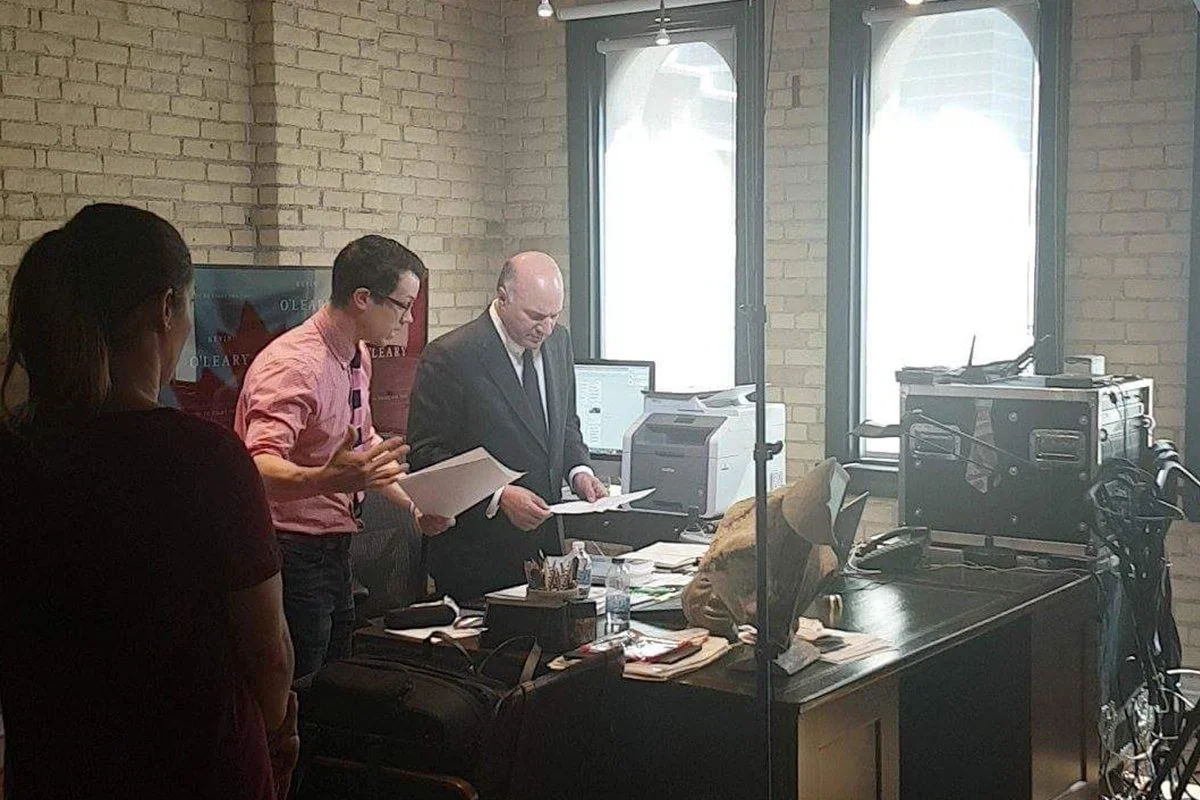
A full-time creative director costs over $150,000 a year before a single employer cost is added.
Full-time creative director
Annual cost: $150,000 salary, plus CPP, EI, Employer Health Tax, benefits, vacation pay, equipment and software
Time to start: months of recruiting and onboarding
Commitment: a permanent hire
Does your team develop? Only if the hire has time to coach.
Do the skills stay in-house? Until the hire leaves.
Agency or freelance
Annual cost: billed per project
Time to start: weeks, project by project
Commitment: a new contract for each project
Does your team develop? No. The agency does the thinking.
Do the skills stay in-house? No. They leave with the agency.
BPD Creative Coaching
Annual cost: from $30,000
Time to start: within two weeks
Commitment: a 12-month starting term
Does your team develop? Yes. That is the point.
Do the skills stay in-house? Yes. The standards stay.
FAQ
-
No. The work stays with your team. Coaching makes them better at it.
-
Courses use exercises. This uses your live projects, with real deadlines and real stakeholders, so the lessons stick.
-
1 session of up to 60 mins/week, plus review that fits into the work they are already doing.
-
Yes. Ben is happy to sign your NDA. For agencies, the work is delivered under your banner.
-
Yes. Sessions run remotely anywhere, or in person across Niagara and the Greater Toronto region.
-
It can be, but it is built to last. Ben works as a fractional creative director, fully part of your team: in your reviews, on your projects and in the room when the work is presented. If you ever want to step back, your team keeps the feedback habits and standards it has built.
-
Designers don't grow in a few sessions. Real development comes from working through many projects, deadlines and rounds of feedback, and that takes time. Engagements start with a 12-month term, which gives your team room to change how it works. From there, the engagement grows with your team.
Give your team a creative director.
Share where your team is today and where you'd like it to be. Ben reads every message himself and will reach out personally to find a time to talk.